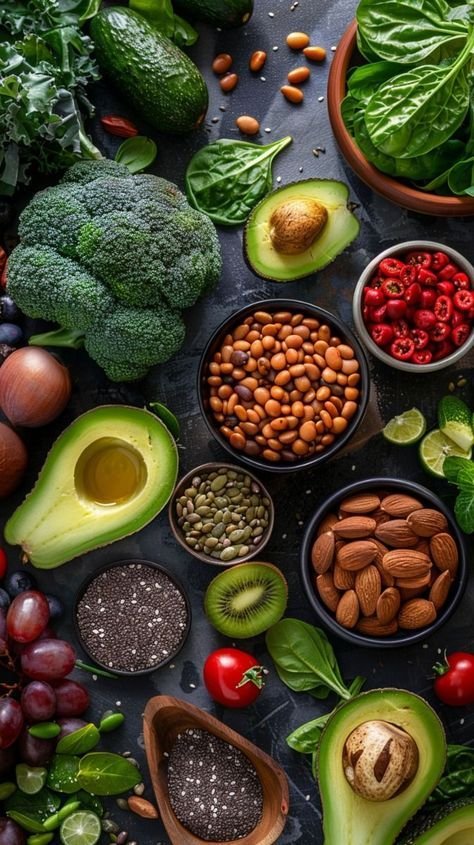
Aging is a natural part of life, but how we age depends greatly on our lifestyle and nutrition. Many seniors experience changes such as reduced appetite, slower metabolism, weaker bones, joint pain, memory decline, and lower energy levels. However, proper nutrition can significantly slow these effects and help older adults stay active, independent, and healthy.
Wellness foods for seniors focus on easy-to-digest, nutrient-dense, anti-inflammatory, and heart- and brain-protective choices that support long-term vitality rather than short-term dieting.
This article explains what older adults need nutritionally and how to build a senior-friendly diet that promotes strength, mental clarity, and quality of life.
🌿 Why Nutrition Is More Important in Old Age
As people age, their bodies change in several ways:
- Muscle mass decreases
- Bone density weakens
- Digestion slows
- Immune system becomes weaker
- Risk of heart disease increases
- Memory and cognitive function may decline
Good nutrition helps counter these effects by:
- Preserving muscle
- Strengthening bones
- Improving digestion
- Supporting brain health
- Boosting immunity
- Reducing inflammation
🌱 What Makes a Food Good for Seniors?
Senior-friendly wellness foods should be:
- Easy to chew and digest
- High in protein
- Rich in calcium and vitamin D
- Packed with fiber
- Anti-inflammatory
- Low in added sugar and salt
🌈 Best Wellness Foods for Seniors
1. Milk, Yogurt, or Fortified Plant Milk – Strong Bones
Calcium and vitamin D are critical for preventing osteoporosis and fractures.
They help:
- Strengthen bones
- Protect teeth
- Support muscles
Aim for 1–2 servings daily.
2. Fatty Fish – Brain and Joint Health
Salmon, sardines, and mackerel are rich in omega-3 fatty acids.
They help:
- Reduce joint pain
- Improve memory
- Protect the heart
- Lower inflammation
Eat fish twice per week if possible.
3. Eggs – Muscle and Memory Support
Eggs provide:
- High-quality protein
- Vitamin D
- Choline (important for brain function)
They are soft, affordable, and easy to prepare.
4. Leafy Greens – Heart and Bone Protection
Spinach, kale, and broccoli are rich in:
- Calcium
- Vitamin K
- Antioxidants
These support bone strength and heart health.
5. Whole Grains – Gentle Energy
Oats, brown rice, and quinoa:
- Support digestion
- Prevent constipation
- Provide steady energy
Better than white bread or refined flour.
6. Beans and Lentils – Fiber and Protein
They help:
- Improve digestion
- Stabilize blood sugar
- Support heart health
- Maintain muscle mass
Soak and cook them well for easier digestion.
7. Nuts and Seeds – Brain and Heart Protection
Almonds, walnuts, chia, and flax seeds provide:
- Healthy fats
- Omega-3
- Fiber
Eat in small portions daily.
8. Berries – Memory Booster
Blueberries, strawberries, and raspberries:
- Protect brain cells
- Reduce inflammation
- Improve circulation
Great for smoothies or yogurt.
🚫 Foods Seniors Should Limit
Avoid excessive:
- Sugary drinks
- Fast food
- Fried foods
- Processed snacks
- Too much salt
- Excess alcohol
These increase blood pressure, inflammation, and heart risk.
💧 Hydration Is Essential
Older adults often feel less thirsty but still need water.
Aim for:
- 7–9 glasses daily
Herbal teas, soups, and coconut water also help.
💤 Sleep and Aging
Good sleep helps repair muscles and brain cells.
Aim for:
- 7–8 hours per night
Avoid caffeine late in the day.
🏃 Gentle Exercise + Nutrition
Combine good food with:
- Walking
- Yoga
- Light stretching
- Resistance bands
This preserves muscle and mobility.
🧑🍳 Sample Senior Wellness Meal Plan
Morning
- Oats with milk and berries
Lunch
- Brown rice with lentils and vegetables
Snack
- Yogurt with almonds
Dinner
- Grilled fish or paneer with salad
Before Bed
- Warm milk or herbal tea
🌟 Final Thoughts
Aging does not have to mean weakness or illness. With the right nutrition, seniors can stay strong, active, and mentally sharp.
Eat well. Move gently. Live fully.