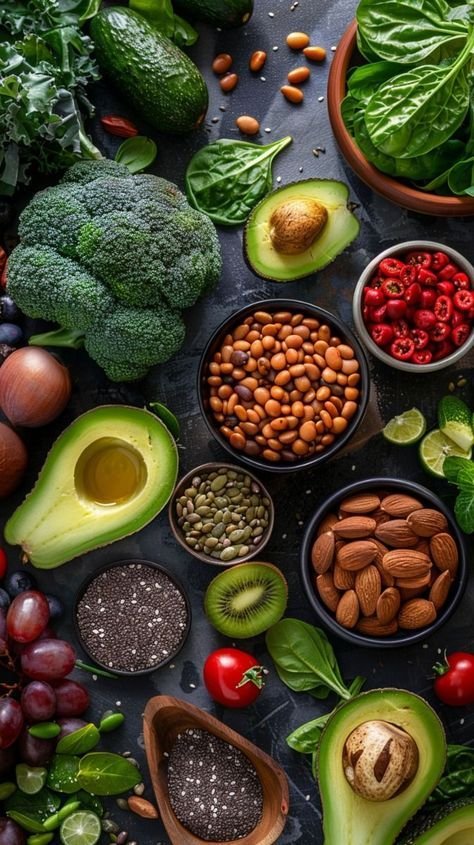
The way we eat does not only affect our bodies—it also affects the Earth. Modern food systems rely heavily on industrial farming, excessive packaging, chemical fertilizers, and long-distance transportation, which contribute to climate change, deforestation, water scarcity, and pollution.
Sustainable wellness eating is about choosing foods that are good for both your health and the environment. It focuses on whole, plant-based, seasonal, local, and minimally processed foods that nourish your body while reducing your ecological footprint.
This article explains what sustainable eating means, why it matters, and how you can adopt simple habits that benefit your health and the planet simultaneously.
🌱 What Is Sustainable Wellness Food?
Sustainable wellness food refers to foods that are:
- Naturally grown
- Minimally processed
- Environmentally friendly
- Locally sourced when possible
- Low in packaging
- Nutrient-dense
- Ethical and cruelty-conscious
This way of eating supports personal health while conserving natural resources for future generations.
🌿 Why Sustainable Eating Matters
Our food choices impact:
- Climate change
- Soil health
- Water supply
- Animal welfare
- Air quality
- Forest conservation
For example, industrial meat production uses huge amounts of water and produces high greenhouse gas emissions. On the other hand, plant-based foods generally require fewer resources and produce less pollution.
By eating sustainably, you help:
- Reduce carbon footprint
- Conserve water
- Protect wildlife
- Reduce plastic waste
- Support ethical farming
🥗 The Foundation of Sustainable Wellness Diet
1. Eat More Plant-Based Foods
Fruits, vegetables, legumes, nuts, and whole grains have a much lower environmental impact than meat and processed foods.
Examples:
- Lentils instead of beef
- Oats instead of packaged cereal
- Fresh vegetables instead of frozen processed meals
Plant-based eating is one of the most powerful ways to support both health and sustainability.
2. Choose Local and Seasonal Foods
Buying local produce reduces transportation emissions and supports local farmers.
Seasonal foods are:
- Fresher
- More nutritious
- Cheaper
- More environmentally friendly
For example:
- Mangoes in summer
- Spinach in winter
- Pumpkins in autumn
3. Reduce Food Waste
A huge amount of food is wasted every year.
To reduce waste:
- Plan meals in advance
- Store food properly
- Use leftovers creatively
- Compost vegetable scraps
Less waste means less landfill pollution.
4. Minimize Plastic Packaging
Choose:
- Reusable bags
- Glass containers
- Paper packaging
- Bulk food bins
Avoid single-use plastics whenever possible.
5. Choose Organic When Possible
Organic farming reduces harmful pesticides and protects soil health.
Benefits:
- Healthier food
- Cleaner water
- Better biodiversity
- Safer environment
If organic is expensive, prioritize organic for foods that absorb more pesticides (like spinach, apples, and berries).
🍽️ Sustainable Protein Choices
Instead of relying heavily on meat, include:
- Lentils
- Chickpeas
- Beans
- Tofu
- Tempeh
- Nuts and seeds
These are nutritious, affordable, and eco-friendly.
If you eat meat, choose:
- Grass-fed beef
- Free-range chicken
- Wild-caught fish
- Smaller portions
💧 Water-Smart Eating
Some foods require much more water to produce than others.
High-water foods:
- Beef
- Dairy
- Almond milk
Lower-water foods:
- Lentils
- Oats
- Potatoes
- Rice
Choosing water-efficient foods helps conserve this precious resource.
🧑🍳 Sample Sustainable Meal Plan
Morning
- Oats with local fruits and nuts
Lunch
- Brown rice with lentils and seasonal vegetables
Snack
- Apple or banana
Dinner
- Stir-fried tofu with greens
Drink
- Tap water in reusable bottle
Simple, healthy, and planet-friendly.
🌱 Sustainable Eating and Your Health
Sustainable foods are usually:
- Higher in fiber
- Lower in processed sugar
- Rich in vitamins and minerals
- Better for gut health
- Better for heart health
So, what is good for the planet is also good for you.
🌟 Final Thoughts
Sustainable wellness eating is not about perfection—it is about progress.
Small daily choices, such as eating more plants, reducing waste, and buying local, can make a big difference.
Nourish your body. Protect the planet. Live sustainably.