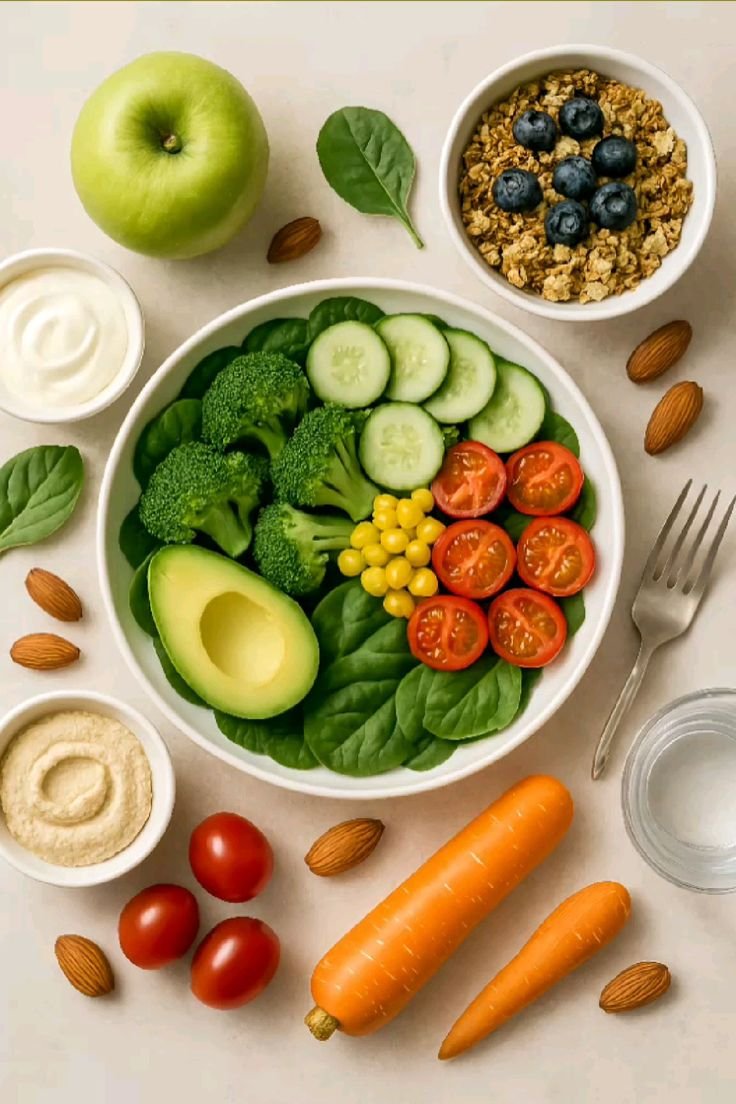
In today’s fast-paced world, health has become more important than ever. People are no longer just looking for food to satisfy hunger—they are seeking wellness food that nourishes the body, supports mental clarity, and promotes long-term vitality. Wellness food is not about strict dieting or deprivation; it is about choosing whole, natural, nutrient-rich foods that help your body function at its best.
This article explores what wellness food truly means, why it matters, and how you can incorporate it into your daily life for better health, energy, and happiness.
🌱 What Is Wellness Food?
Wellness food refers to natural, minimally processed foods that provide essential nutrients, antioxidants, vitamins, minerals, fiber, and healthy fats. These foods do more than fill your stomach—they actively support your body’s systems, including:
- Digestive health
- Heart health
- Brain function
- Immune system
- Hormonal balance
- Skin health
- Muscle strength
- Energy levels
Unlike junk food, which is high in sugar, unhealthy fats, and artificial ingredients, wellness foods are clean, whole, and real.
🥗 The Foundation of Wellness: Whole Foods
The best wellness diet is built on whole foods such as:
1. Fruits and Vegetables
Fruits and vegetables are nature’s medicine. They are packed with antioxidants that fight inflammation and protect against chronic diseases.
Some top wellness fruits and vegetables include:
- Berries (blueberries, strawberries, raspberries) – rich in antioxidants
- Spinach and kale – great for heart and bone health
- Broccoli – supports detoxification
- Carrots – good for eyes and skin
- Oranges and lemons – boost immunity with vitamin C
A colorful plate is a healthy plate. The more variety you eat, the more nutrients you receive.
2. Whole Grains for Sustained Energy
Unlike refined grains, whole grains keep their fiber and nutrients intact.
Healthy whole grains include:
- Brown rice
- Quinoa
- Oats
- Barley
- Whole wheat
These foods help regulate blood sugar, improve digestion, and provide steady energy throughout the day.
3. Healthy Proteins for Strength and Repair
Protein is essential for muscle repair, hormone production, and overall vitality.
Good sources of wellness protein include:
- Lentils and chickpeas
- Beans
- Tofu and tempeh
- Eggs
- Fish like salmon and sardines
- Chicken and lean meats
Plant-based proteins are especially beneficial for gut health and inflammation control.
4. Healthy Fats for Brain and Heart
Not all fats are bad. In fact, your body needs healthy fats to function properly.
Include these healthy fats in your diet:
- Avocados
- Nuts like almonds and walnuts
- Seeds like chia, flax, and pumpkin
- Olive oil
- Fatty fish
These fats support brain health, reduce inflammation, and protect the heart.
🧠 Wellness Food and Mental Health
What you eat affects how you feel. Research shows that poor diets high in sugar and processed foods are linked to anxiety, depression, and brain fog.
On the other hand, wellness foods help improve mood and mental clarity.
Some brain-boosting foods include:
- Walnuts (rich in omega-3)
- Dark chocolate (in moderation)
- Leafy greens
- Blueberries
- Fatty fish
A balanced diet can help you feel calmer, more focused, and emotionally stable.
💧 Hydration: The Forgotten Wellness Pillar
Many people forget that water is one of the most important wellness foods.
Proper hydration helps:
- Flush toxins
- Improve digestion
- Keep skin glowing
- Boost energy
- Support brain function
Aim for 8–10 glasses of water per day, and include herbal teas like green tea or chamomile for added benefits.
🌿 The Role of Herbs and Spices in Wellness
Herbs and spices are not just for taste—they are powerful healers.
Some beneficial ones include:
- Turmeric – reduces inflammation
- Ginger – aids digestion
- Garlic – supports heart health
- Cinnamon – helps balance blood sugar
- Black pepper – improves nutrient absorption
Adding these to your meals can significantly boost their health value.
🥣 Gut Health and Wellness Food
Your gut is often called your “second brain.” A healthy gut leads to a healthy body.
Foods that support gut health include:
- Yogurt and kefir (probiotics)
- Fermented foods like kimchi and sauerkraut
- Fiber-rich foods like oats and beans
- Bananas and apples
A balanced gut improves digestion, immunity, and even mental well-being.
💤 Wellness Food for Better Sleep
What you eat affects your sleep quality.
Foods that promote good sleep include:
- Almonds (magnesium rich)
- Bananas (natural melatonin support)
- Oats
- Chamomile tea
Avoid caffeine, sugar, and heavy meals late at night.
🏃 Wellness Food for Active Lifestyles
If you exercise or stay physically active, your body needs proper fuel.
Pre-workout foods:
- Banana with peanut butter
- Oats with fruit
- Smoothies
Post-workout foods:
- Protein shake
- Eggs and toast
- Chicken and vegetables
Good nutrition helps muscles recover faster and reduces fatigue.
🧁 Can You Enjoy Treats in a Wellness Diet?
Yes! Wellness is about balance, not perfection.
You can still enjoy:
- Dark chocolate
- Homemade desserts
- Baked goods made with whole grains
- Fruit-based sweets
The key is moderation and mindful eating.
🌍 Sustainable Eating and Wellness
Wellness food is also about caring for the planet.
Try to:
- Eat more plant-based meals
- Buy local and seasonal produce
- Reduce food waste
- Avoid excessive packaging
A healthy planet supports healthy people.
🧑🍳 Simple Daily Wellness Food Plan (Example)
Morning
- Warm lemon water
- Oats with nuts and berries
Lunch
- Brown rice with vegetables and lentils
Snack
- Apple and almonds
Dinner
- Grilled fish or tofu with salad
Before Bed
- Chamomile tea
This simple routine can transform your health over time.
🌟 Final Thoughts
Wellness food is not a trend—it is a lifestyle. By choosing whole, natural, and nutrient-rich foods, you invest in your long-term health, energy, and happiness.
Small changes in your daily diet can lead to big improvements in how you feel, think, and live.
Your body is your most valuable asset—nourish it wisely.