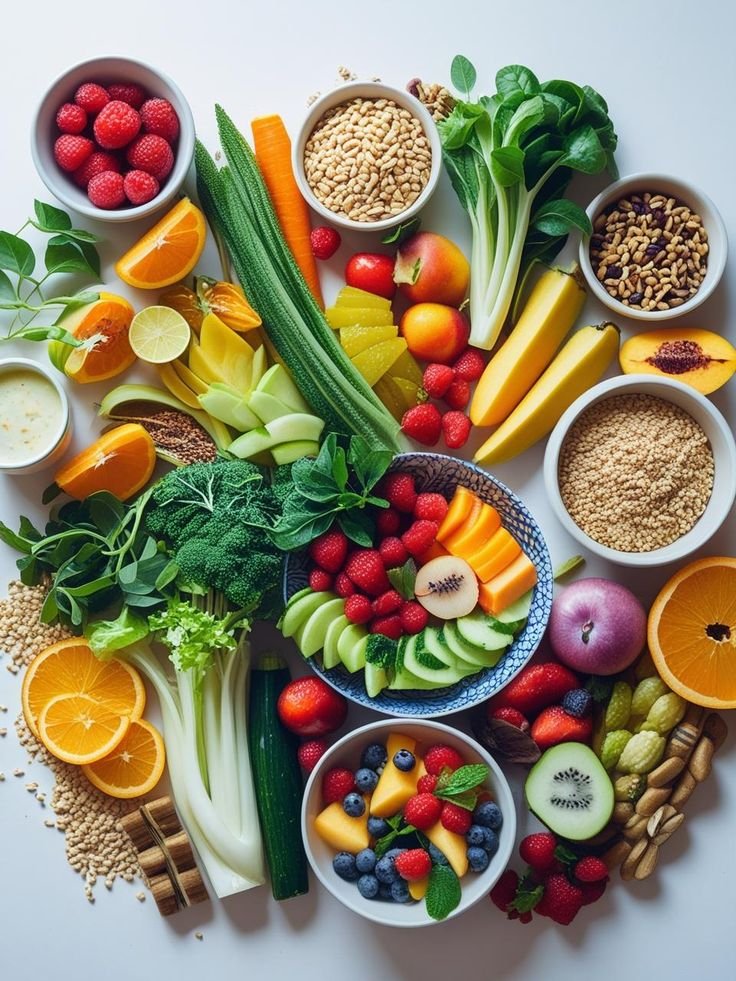
In recent years, gut health has become one of the most discussed topics in nutrition, medicine, and wellness. Scientists now recognize that your gut is not just responsible for digestion—it plays a central role in immunity, mental health, metabolism, skin health, and even mood. This is why gut-friendly wellness food has become essential for anyone seeking a healthier, more balanced life.
Your gut contains trillions of bacteria, collectively known as the gut microbiome. These microorganisms help break down food, produce essential vitamins, protect against harmful pathogens, and communicate with your brain through what is called the “gut-brain axis.” When your gut is healthy, your body functions smoothly. When it is imbalanced, you may experience bloating, fatigue, anxiety, brain fog, skin problems, and chronic inflammation.
What Is Gut-Friendly Wellness Food?
Gut-friendly wellness foods are natural, whole, and minimally processed foods that nourish beneficial gut bacteria while reducing inflammation and digestive stress. These foods are typically high in fiber, probiotics, prebiotics, antioxidants, and healthy fats.
Unlike fast food or sugary snacks, gut wellness foods support long-term digestive balance rather than short-term pleasure. They help your body absorb nutrients more effectively and eliminate waste efficiently.
The Role of Fiber in Gut Health
Fiber is one of the most important components of gut wellness food. It acts as fuel for beneficial gut bacteria, helping them thrive and multiply.
Excellent sources of dietary fiber include:
- Oats
- Brown rice
- Lentils
- Chickpeas
- Beans
- Apples
- Bananas
- Berries
- Leafy greens
Regular fiber intake improves bowel movements, reduces constipation, and lowers the risk of colon-related diseases.
Probiotics: Friendly Bacteria for Your Gut
Probiotics are live beneficial bacteria that improve gut balance. They help crowd out harmful microbes and strengthen your immune system.
Common probiotic-rich foods include:
- Yogurt
- Kefir
- Kimchi
- Sauerkraut
- Kombucha
- Miso
Including these foods in your diet can significantly improve digestion, reduce bloating, and enhance nutrient absorption.
Prebiotics: Feeding Your Gut Bacteria
While probiotics add good bacteria to your gut, prebiotics feed them. These are specialized fibers that stimulate bacterial growth.
Top prebiotic foods:
- Garlic
- Onions
- Bananas
- Asparagus
- Chicory root
- Whole grains
A combination of probiotics and prebiotics creates a powerful gut-healing effect.
Anti-Inflammatory Foods for Gut Healing
Chronic inflammation can damage your digestive lining, leading to issues like leaky gut. Anti-inflammatory foods protect and repair the gut barrier.
Some best options include:
- Turmeric
- Ginger
- Olive oil
- Fatty fish like salmon
- Walnuts
- Leafy greens
These foods reduce inflammation and support overall gut integrity.
The Gut-Brain Connection
Your gut and brain are closely connected through nerves and chemical signals. A healthy gut can improve mental clarity, reduce anxiety, and stabilize mood.
Brain-supporting gut foods include:
- Omega-3 rich fish
- Walnuts
- Dark chocolate (in moderation)
- Leafy greens
- Fermented foods
Many people report feeling calmer and more focused after improving their gut health.
Hydration and Digestion
Water is essential for gut health. It helps break down food, move waste through the intestines, and prevent constipation.
Aim for 8–10 glasses of water daily. Herbal teas like ginger or peppermint can also soothe the digestive system.
Foods to Avoid for Better Gut Health
Not all foods support wellness. Some can damage your gut, including:
- Sugary drinks
- Processed snacks
- Excess alcohol
- Artificial sweeteners
- Fried foods
These can disrupt gut bacteria and increase inflammation.
Daily Gut-Friendly Meal Plan (Example)
Morning:
- Warm lemon water
- Oats with berries and nuts
Lunch:
- Brown rice with lentils and vegetables
Snack:
- Yogurt with chia seeds
Dinner:
- Grilled fish or tofu with salad
Before Bed:
- Chamomile tea
Long-Term Benefits of Gut Wellness Food
Over time, eating gut-friendly foods can lead to:
- Better digestion
- Stronger immunity
- Clearer skin
- More energy
- Better sleep
- Reduced anxiety
Your gut is the gateway to overall health.
Final Thoughts
Gut health is not just about digestion—it is about total wellness. By choosing the right foods, you can transform your physical and mental well-being.
Wellness food is a lifelong investment in your body, not a temporary trend.