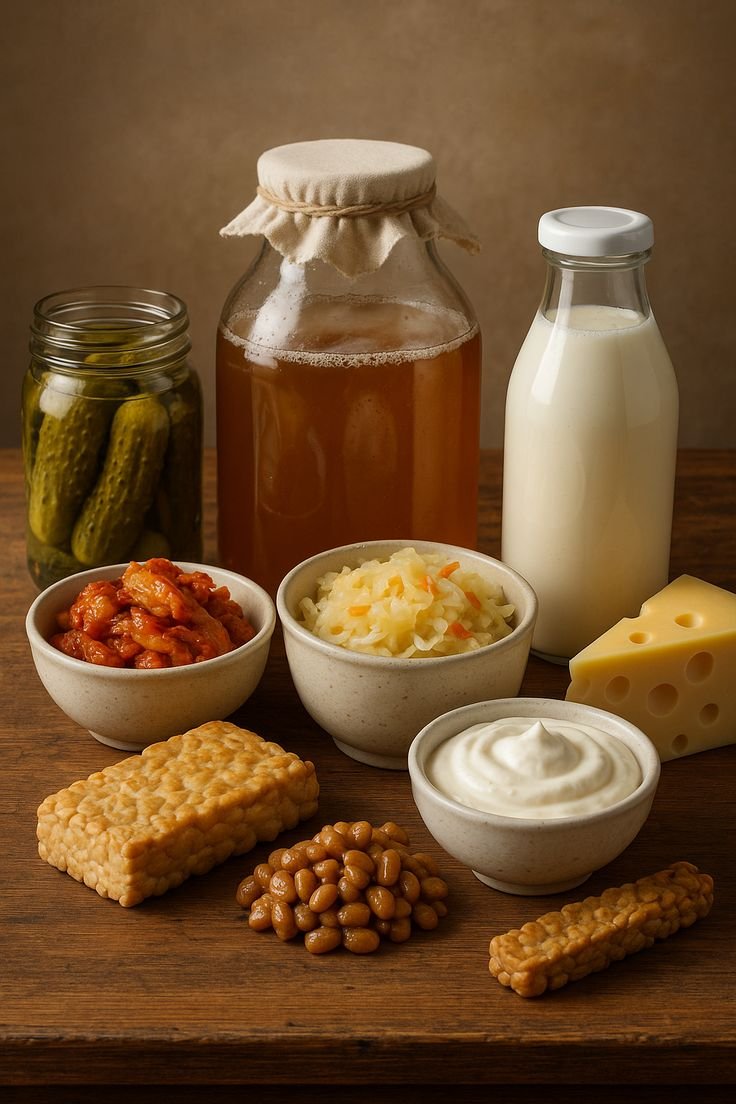
Your gut is home to trillions of bacteria that influence digestion, immunity, mood, skin, and even brain function. When your gut bacteria are balanced, your body thrives. When they are disrupted, you may experience bloating, fatigue, anxiety, frequent illness, and inflammation.
Fermented foods are one of the most powerful natural ways to restore gut balance. They are rich in probiotics—beneficial bacteria that support digestion, strengthen immunity, and improve overall wellness.
This article explores what fermented foods are, why they are beneficial, and how you can include them in your daily diet for better health.
🌿 What Are Fermented Foods?
Fermentation is a natural process where bacteria, yeast, or enzymes break down sugars in food, creating beneficial probiotics.
Common fermented foods include:
- Yogurt
- Kefir
- Kimchi
- Sauerkraut
- Kombucha
- Miso
- Pickles (naturally fermented)
These foods have been consumed for centuries across cultures for their healing properties.
🧠 Why Fermented Foods Are Good for You
Fermented foods help:
- Improve digestion
- Reduce bloating
- Strengthen immunity
- Support mental health
- Enhance nutrient absorption
- Reduce inflammation
- Improve skin health
A healthy gut equals a healthier body and mind.
🌈 Best Fermented Foods for Gut Health
1. Yogurt – Classic Probiotic
Yogurt contains live beneficial bacteria that improve digestion and immunity.
Benefits:
- Reduces constipation
- Supports gut lining
- Strengthens bones
Choose plain, unsweetened yogurt for best results.
2. Kefir – Supercharged Probiotic Drink
Kefir contains even more probiotics than yogurt.
It helps:
- Reduce bloating
- Improve lactose tolerance
- Boost immune system
Drink one glass daily.
3. Kimchi – Korean Gut Powerhouse
Kimchi is fermented cabbage rich in probiotics and antioxidants.
Benefits:
- Supports digestion
- Reduces inflammation
- Boosts metabolism
Add small portions to meals.
4. Sauerkraut – Fiber + Probiotics
Fermented cabbage that improves gut health and digestion.
It helps:
- Reduce bloating
- Strengthen immunity
- Improve nutrient absorption
Eat a spoonful daily.
5. Kombucha – Fermented Tea
A bubbly probiotic drink that supports gut and liver health.
Benefits:
- Improves digestion
- Detoxifies body
- Boosts energy
Drink in moderation.
6. Miso – Japanese Fermented Paste
Used in soups, miso improves digestion and adds beneficial bacteria to your gut.
🧬 Gut-Brain Connection
Your gut communicates directly with your brain through the gut-brain axis.
Fermented foods can:
- Reduce anxiety
- Improve mood
- Enhance mental clarity
Many people feel calmer after improving gut health.
🥗 How to Add Fermented Foods to Your Diet
You can include them by:
- Adding yogurt to breakfast
- Drinking kefir daily
- Adding kimchi to lunch
- Eating sauerkraut with dinner
- Drinking kombucha occasionally
Start slowly to avoid bloating.
🚫 Who Should Be Careful?
If you:
- Have severe digestive issues
- Are immunocompromised
- Have food intolerances
Consult a doctor before consuming large amounts of fermented foods.
💧 Hydration and Fermented Foods
Drink plenty of water, as probiotics work best when you are well-hydrated.
🧑🍳 Sample Gut-Healthy Meal Plan
Morning
- Yogurt with oats and berries
Lunch
- Brown rice with vegetables and lentils
Snack
- Kefir or kombucha
Dinner
- Grilled tofu with kimchi or sauerkraut
🌟 Final Thoughts
Fermented foods are a natural, affordable, and powerful way to heal your gut and improve your overall health.
By including them regularly in your diet, you can boost digestion, strengthen immunity, and support mental well-being.
Feed your gut. Heal your body. Feel better every day.