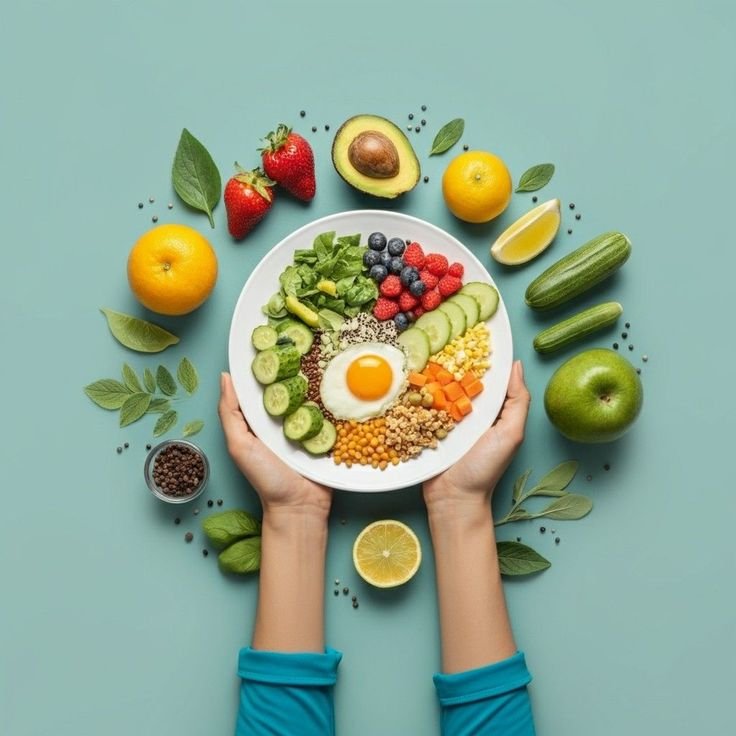
Heart-Healthy Foods:
Your heart works nonstop from the moment you are born until your last breath. It pumps blood to every organ, delivers oxygen, and keeps your body alive and functioning. Yet, many people neglect heart health until a problem arises.
Heart disease remains one of the leading causes of death worldwide. The good news is that most heart problems are preventable through proper nutrition and lifestyle choices. Eating the right heart-healthy wellness foods can strengthen your cardiovascular system, lower cholesterol, reduce blood pressure, and dramatically decrease your risk of heart attacks and strokes.
This article explains how food affects your heart and how you can build a diet that keeps your heart strong, resilient, and healthy for life.
🫀 Why Heart Health Matters
Your heart is the engine of your body. When it is healthy, you feel energetic, clear-minded, and physically capable. When it struggles, you may experience:
- Fatigue
- Shortness of breath
- High blood pressure
- Chest pain
- Poor circulation
- Increased risk of heart attack
Modern diets high in processed foods, sugar, salt, and unhealthy fats are a major contributor to cardiovascular disease. Switching to whole, natural, heart-friendly foods is one of the most powerful changes you can make for your well-being.
🥗 What Makes a Food Heart-Healthy?
Heart-healthy foods typically:
- Lower bad cholesterol (LDL)
- Raise good cholesterol (HDL)
- Reduce inflammation
- Improve blood vessel function
- Regulate blood sugar
- Support healthy blood pressure
These foods are rich in:
- Fiber
- Omega-3 fatty acids
- Antioxidants
- Potassium
- Magnesium
- Healthy fats
Together, these nutrients protect your heart from damage and disease.
🌈 Top Heart-Healthy Foods You Should Eat
1. Oats – A Powerful Cholesterol Fighter
Oats contain a special type of fiber called beta-glucan, which helps reduce LDL (bad) cholesterol.
Benefits:
- Lowers cholesterol
- Stabilizes blood sugar
- Improves digestion
- Keeps you full longer
Start your day with oatmeal topped with berries and nuts for maximum heart benefits.
2. Fatty Fish – Nature’s Heart Medicine
Fish like salmon, sardines, mackerel, and trout are rich in omega-3 fatty acids, which are essential for heart health.
They help:
- Lower triglycerides
- Reduce inflammation
- Prevent blood clots
- Improve artery function
Try to eat fatty fish at least twice a week.
If you don’t eat fish, choose plant sources like chia seeds, flaxseeds, and walnuts.
3. Leafy Greens – Clean Blood, Strong Heart
Vegetables like spinach, kale, and collard greens are packed with:
- Potassium
- Magnesium
- Antioxidants
- Fiber
These nutrients help regulate blood pressure and reduce artery stiffness.
Add leafy greens to salads, smoothies, or cooked dishes daily.
4. Berries – Small Fruits, Big Protection
Blueberries, strawberries, raspberries, and blackberries are rich in polyphenols, which protect blood vessels and reduce inflammation.
Benefits:
- Improve circulation
- Lower blood pressure
- Reduce oxidative stress
- Support healthy cholesterol levels
Snack on berries or add them to yogurt or oats.
5. Nuts and Seeds – Heart-Protective Snacks
Almonds, walnuts, chia seeds, and flaxseeds are excellent for your heart.
They provide:
- Healthy fats
- Fiber
- Omega-3
- Plant protein
A small handful daily can significantly improve heart markers.
6. Olive Oil – Liquid Gold for Your Heart
Extra virgin olive oil contains heart-protective compounds that reduce inflammation and improve artery health.
It helps:
- Lower bad cholesterol
- Increase good cholesterol
- Protect blood vessels
Use olive oil instead of butter or refined oils.
7. Beans and Lentils – Fiber-Rich Heart Food
Legumes are excellent for heart health because they are:
- High in fiber
- Low in fat
- Rich in plant protein
They help:
- Lower cholesterol
- Stabilize blood sugar
- Reduce heart disease risk
Include lentils, chickpeas, and beans in your meals regularly.
8. Whole Grains – Steady Energy, Healthy Heart
Whole grains like brown rice, quinoa, and whole wheat help reduce heart disease risk by lowering cholesterol and improving blood sugar control.
Avoid refined grains like white bread and pastries.
9. Avocados – Healthy Fat for Healthy Arteries
Avocados are rich in monounsaturated fats, which are excellent for your heart.
They:
- Reduce LDL cholesterol
- Increase HDL cholesterol
- Support blood vessel health
Add avocado to salads, toast, or smoothies.
🚫 Foods That Harm Your Heart (Avoid These)
To truly protect your heart, limit or avoid:
- Sugary drinks
- Fast food
- Processed snacks
- Fried foods
- Excess salt
- Processed meats (sausages, bacon)
- White bread and pastries
These foods increase inflammation, cholesterol, and blood pressure.
🧠 The Heart-Brain Connection
Your heart and brain are closely connected. When your heart is healthy, your brain receives better blood flow, which improves memory, focus, and mental clarity.
Heart-friendly foods like berries, fatty fish, and leafy greens also support brain health.
🏃 Exercise + Heart Nutrition = Stronger Heart
While food is crucial, physical activity is equally important for heart health.
Try to:
- Walk 30 minutes daily
- Do light cardio 3–4 times per week
- Practice yoga or stretching
Exercise combined with heart-healthy food provides maximum protection
🧑🍳 Sample Heart-Healthy Meal Plan
Morning
- Oats with berries and walnuts
- Green tea
Lunch
- Brown rice with lentils and vegetables
Snack
- Apple and almonds
Dinner
- Grilled salmon or tofu with salad and olive oil
Before Bed
- Chamomile tea
This simple routine supports strong cardiovascular health.
🧂 Salt, Blood Pressure, and Your Heart
Excess salt increases blood pressure, which strains the heart.
To reduce salt intake:
- Avoid packaged foods
- Cook at home more
- Use herbs instead of salt
- Drink plenty of water
Your heart will thank you.
💤 Sleep and Heart Health
Poor sleep increases the risk of heart disease. Aim for 7–8 hours per night.
Foods that support better sleep and heart health include:
- Almonds
- Bananas
- Oats
- Herbal teas
Good sleep = better heart function.
🌍 Sustainable Eating for a Healthy Heart
Choosing more plant-based meals is not only good for your heart—it is also good for the planet.
Eating less red meat and more fruits, vegetables, and whole grains lowers both your carbon footprint and your heart disease risk.
👵 Heart Health for Every Age
For Young Adults
Start building healthy habits early to prevent future problems.
For Middle-Aged Adults
Focus on cholesterol control, exercise, and stress management.
For Seniors
Prioritize gentle movement, nutrient-rich foods, and regular check-ups.
Heart health matters at every stage of life.
🧘 Stress and Your Heart
Chronic stress increases blood pressure and heart disease risk.
Try these stress-relief techniques:
- Deep breathing
- Meditation
- Yoga
- Walking in nature
Pairing stress management with healthy eating creates powerful protection.
🌟 Final Thoughts
Your heart is your life’s engine. The foods you eat every day either strengthen it or slowly damage it.
By choosing heart-healthy wellness foods—rich in fiber, antioxidants, and healthy fats—you can lower your risk of disease, increase your energy, and enjoy a longer, healthier life.
Small daily choices lead to big lifelong benefits.
Nourish your heart. Protect your future. Live well.